
Mastering the Pour: The Ultimate Coffee Extraction Guide for Arabica, Robusta, and More
Behind every well-balanced cup of coffee, there is always a small dance between water and beans. Coffee enthusiasts call it extraction, yet at its core, it is a subtle conversation: the heat of water slowly meeting ground particles, releasing aromas, flavors, and stories locked inside the bean. To master this art, we must first understand who we are speaking to. Each type of coffee bean carries its own character. Brewing without understanding that character is like engaging in a dialogue without knowing the nature of the person across from you.
This article brings together the best extraction techniques based on bean type, so that every brew feels like the result of a carefully composed orchestration.
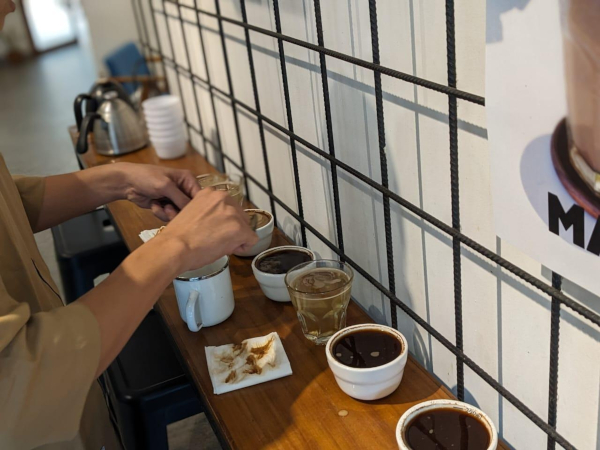
1. Arabica: Elegant, Aromatic, and Sensitive
Arabica is the prima donna of coffee. It offers floral aromas, gentle acidity, and layers of complex flavor. Yet, like a sensitive character in a novel, Arabica can be easily “wounded” by water that is too hot or by extraction that moves too quickly.
Best techniques:
- Ideal water temperature: 90–94°C. Excessive heat can trigger bitterness and strip away finesse.
- Grind size: Medium for V60 or Kalita, medium-fine for Aeropress.
- Preferred method: Pour-over. A controlled flow of water allows subtle flavors to emerge one by one.
- Extra tip: Use a 30-second bloom to release CO₂, helping the cup taste cleaner and more open.
The result is a coffee that feels like chamber music: detailed, intimate, and honest.
2. Robusta: Bold, Powerful, and Resilient
Robusta is a hardy bean. High in caffeine, thick in body, and earthy in aroma, it is not demanding. When treated properly, however, it delivers a brew that is firm and full of character.
Best techniques:
- Ideal water temperature: 92–96°C. Robusta can handle higher heat without losing its identity.
- Grind size: Medium-fine to fine, especially for espresso.
- Preferred method: Espresso or Vietnamese drip. High pressure or slow dripping highlights its strength.
- Extra tip: To emphasize body, use a lower water ratio (1:10–1:13).
The final cup feels like a bass drum: thick, forceful, and leaving a lasting resonance.
3. Liberica: Eccentric, Intense, and Full of Surprises
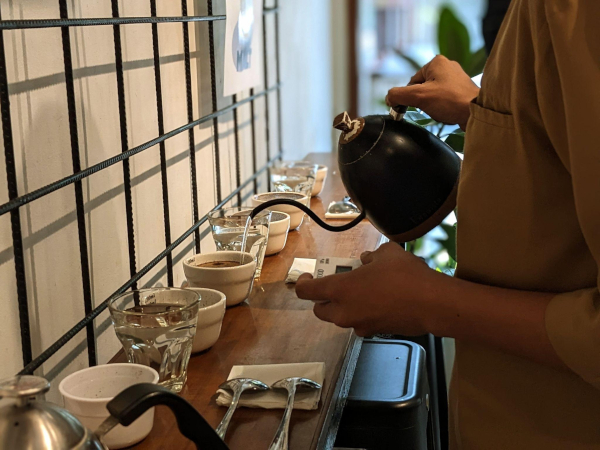
Liberica is often described as unconventional. Its aroma can swing from wild fruitiness to smokiness and exotic florals. Not every palate embraces it, but for those who enjoy exploration, Liberica is an adventure.
Best techniques:
- Ideal water temperature: 92–94°C.
- Grind size: Medium-coarse.
- Preferred method: French press or immersion brewing. Full immersion gives Liberica’s large molecules time to develop.
- Extra tip: A brewing time of 4–6 minutes enhances sweetness while keeping smoky notes in check.
Liberica resembles contemporary art: not always easy to appreciate, yet rich with imagination-stirring surprises.
4. Excelsa: Light, Tart, and Free-Flowing
Excelsa is often misunderstood, as it rarely stands alone and is commonly used in blends. Its flavor can be tart, fruity, or reminiscent of a cool breeze cutting through heat.
Best techniques:
- Ideal water temperature: 90–93°C.
- Grind size: Medium.
- Preferred method: Cold brew or filtered brewing. Its fruit character shines when water does not press too hard on the flavors.
- Extra tip: For cold brew, use a 1:8 ratio and steep for 12–18 hours in the refrigerator.
The result is a cup that feels like morning air passing through leaves: light yet refreshing.
5. Bringing Technique and Experience Together
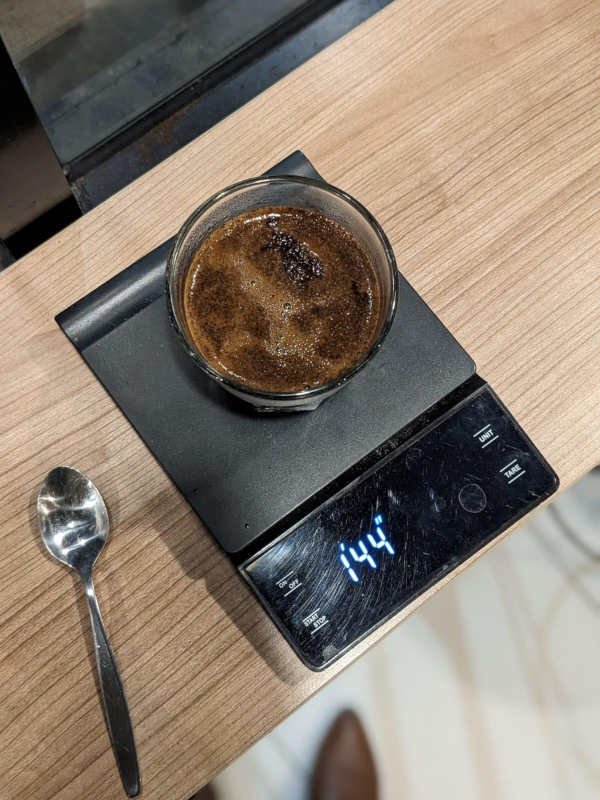
In the end, mastering extraction is not merely about formulas. It is more like learning how to listen. Water, gravity, and temperature are instruments. Coffee beans are the notation. We, as brewers, act as conductors shaping harmony.
No two brews are ever exactly the same. Weather shifts, beans evolve, and even our mood can influence taste. Yet understanding the fundamental nature of each bean gives us a map, an aromatic compass that keeps the journey enjoyable.
Mastering the pour means honoring the bean’s origin. When Arabica asks for gentleness, when Robusta demands pressure, when Liberica calls for time, or when Excelsa seeks cool space to breathe, our task remains the same: to brew with intention.
Every cup born from this understanding is more than a beverage. It becomes a dialogue. And within that dialogue, coffee finally tells the story it has been holding all along.